Do Stores Make Money From Cashback? Earnings, Rates & How It Works
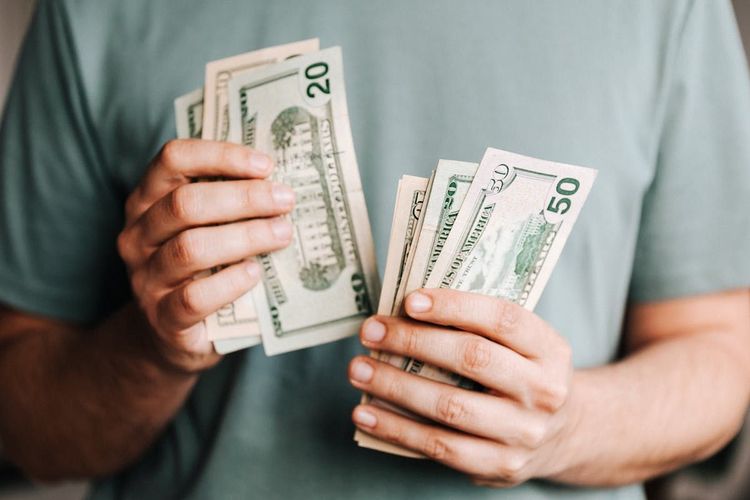
The short answer is yes — stores make money from cashback through a commission they set themselves on every transaction. This guide explains the mechanism, shows what stores actually earn across different volume scenarios, and covers the risks worth knowing before you start.
Key takeaways
| How stores earn | Commission on cashback amount (1–10%), set by the store |
| Float impact | Neutral overnight — card settles to your bank account next business day |
| Typical monthly income | $100–$1,200+ depending on volume and commission rate |
| Second-order benefit | Every cashback customer makes a qualifying purchase |
How register cashback differs from loyalty cashback
There are two completely different things called "cashback" in retail, and confusing them is expensive. Loyalty cashback (Rakuten, credit card rewards, store points) means the retailer funds a rebate from their margin — it is a cost, not income. Register cashback (debit card cashback at the POS) is the opposite: you charge a commission on the cash amount, and the card payment covers both the purchase and the cash you dispense. Your commission is net profit.
"The processing cost to a retailer for a cash back transaction is $0.05–$0.19 per withdrawal. Dollar General charges up to $2.50 on the same transaction — roughly 12–50 times the actual cost."
— Consumer Financial Protection Bureau, Issue Spotlight: Cash-Back Fees, 2024
This gap between actual cost and what customers accept paying is where independent stores can profitably compete — by charging less than $2.50 while still earning a meaningful commission.
What do stores actually earn? Real numbers
Commission rates on Cashtic typically range from 1% to 5%. Here is what that looks like across different volume scenarios:
| Daily cash customers | Avg cashback | Commission | Monthly earnings |
|---|---|---|---|
| 2/day | $60 | 2% | ~$72 |
| 3/day | $80 | 2.5% | ~$180 |
| 5/day | $80 | 3% | ~$360 |
| 8/day | $100 | 3% | ~$720 |
| 12/day | $100 | 3.5% | ~$1,260 |
Commission income is only part of the picture. Each cashback customer makes a qualifying purchase — typically $5–$20 — generating additional register revenue from customers who would otherwise have gone straight to the ATM and never entered your store.
Why does the float work out?
When a customer pays $85 by debit card ($5 purchase + $80 cashback), the full $85 settles to your merchant account the next business day. Your till is down $80 overnight but your bank account is up $85. The cash recycling effect also helps: stores with heavy card sales often run low on physical notes. Cashback transactions convert electronic settlement funds back into till cash, reducing the need for bank runs.
"Customers who used in-store services including financial services such as cashback spent on average 22% more per visit than customers who came only for product purchases."
— NACS State of the Industry Report, 2023
What commission rate should you set?
Your main competitor is the nearest ATM. US ATMs charge an average of $3–$5 flat per withdrawal. At 3% commission, you are cheaper than an ATM for any withdrawal below $100 — which covers the vast majority of requests.
| Location type | Suggested starting rate | Reason |
|---|---|---|
| Urban, many ATMs nearby | 2% | Need price advantage to compete |
| Suburban, moderate ATM access | 3% | Standard sweet spot |
| Rural / low ATM density | 4–5% | More pricing power |
| Late-night venue / 24-hour | 5–7% | Urgency premium, ATMs inaccessible |
What affects your volume?
Three factors determine how many cashback customers you see. First, local demand: the number of Cashtic users in your area actively looking for cash. Second, map placement: Premium subscribers appear at the top of the list — significantly more views than basic listings in the same area. Third, contact options: Premium stores can show a phone or WhatsApp button so customers can confirm availability before visiting, which converts more map views into actual visits.
Who benefits most?
Based on transaction patterns on Cashtic, the highest-earning store types are convenience stores and gas stations (high traffic, cash-friendly customer base), pharmacies (larger card transactions, demographic that prefers cash for discretionary spend), bars and late-night venues (ATMs scarce after midnight, 5–7% commission accepted), and newsagencies (frequent repeat customers build a cash routine).
Are there risks?
Float management is the main operational consideration. Set a daily cashback limit and stick to it — if your till runs low mid-shift, you can decline requests. Card processing fees apply to the full transaction amount (0.05–0.5%), so factor this into your rate: at 3% commission and 0.2% interchange, your net is approximately 2.8%. Chargeback risk is very low — debit cashback is PIN-protected and in-person, far safer than card-not-present transactions.
List your store on Cashtic
Set your commission, go live in 2 minutes — no hardware, no contracts.
List your store →