店舗オーナーとしてお金を稼ぐ: レジでのデビット カード キャッシュバックの提供 vs. ATM のホスティング
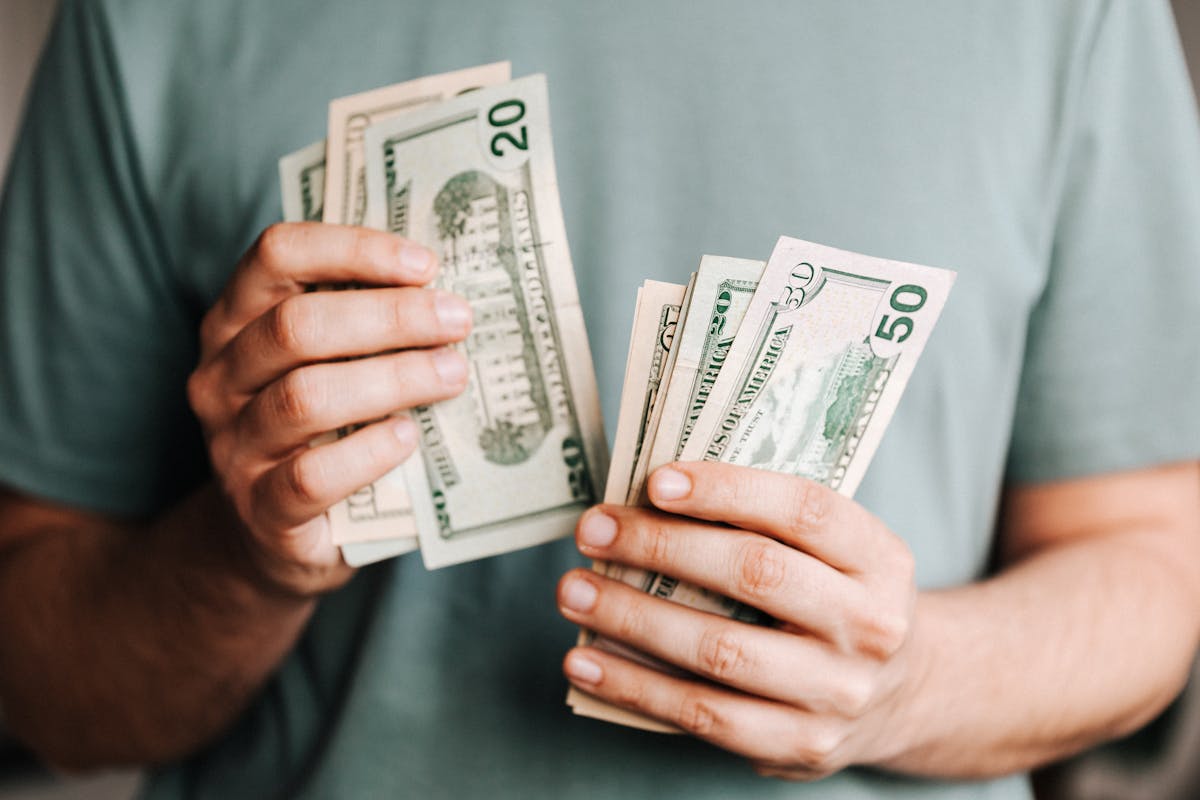
何十年もの間、小売店のオーナーは現金へのアクセスを標準的で受動的な顧客アメニティとして扱ってきました。顧客が現金を必要とした場合、販売業者は料金を払って街角に物理的な ATM を設置するか、無料のサービスとして基本的なチェックアウトのキャッシュバックを提供しました。しかし 2026 年、現金の経済学は変化しました。ハードウェアのオーバーヘッドの高さ、商業銀行手数料の上昇、スマート モバイル ディレクトリにより、販売業者は現金の流通をコスト センターとしてではなく、アクティブで利益率の高いプロフィット センターとして捉えることができるようになりました。
物理的な ATM をホストするか、それともレジベースのキャッシュバックを提供するかを決める場合、重要なのは、財務モデル. While we have previously detailed the physical setup costs of hardware in our guide to ATM installation costs, this article compares both options purely from a 収益性、キャッシュフロー、資産活用率 perspective.
1. 直接収益モデル: ATM 追加料金とレジスター手数料
販売者が現金を配布して利益を得る主な方法は、取引に手数料を請求することです。ただし、これらの料金の仕組みと摩擦レベルは大きく異なります。
- ATM追加料金: With an owner-operated physical machine, you set a flat surcharge (averaging $3.19 in the US). After paying network processors and connection fees, you typically net $2.00 to $2.50 per transaction. However, because this fee is a high, flat rate, it creates significant friction for customers withdrawing smaller amounts, restricting your volume.
- 登録キャッシュバック手数料: By using a peer-to-peer cashback network like Cashtic, you have the flexibility to charge percentage-based commissions or smaller, custom flat fees (e.g., 2% to 4% of the cash out amount). For an average withdrawal of $80, a 3% commission yields 2.40 ドルの直接の純マージン利益. Because the customer pays a lower, proportional rate and interacts directly with your staff, transaction volume and customer satisfaction remain high.
2.「現金リサイクル業者」のメリット:銀行預金手数料の無料化
小売業を運営する上で最も見落とされがちなコストの 1 つは、現金の取り扱いです。商業銀行口座は無料では入金を受け付けません。ほとんどのビジネスアカウントでは、パーセンテージベースの手数料がかかります(通常は0.1%~0.3%, plus handling fees per strap/bag) to process physical cash deposits. Additionally, preparing cash deposits and transporting them to a bank branch introduces labor costs and security risks.
レジスターキャッシュバックは組み込みとして機能します現金リサイクル業者. Instead of paying the bank to take physical cash off your hands, you hand that cash directly to cashback customers. The customer pays you digitally (via debit card or mobile payment) for their purchase plus the cashback amount. Those digital funds are settled directly into your merchant account, usually the next business day, with zero deposit fees.
銀行の入金サイクルをバイパスすることで、実質的に二重の利益を得ることができます。商業用の入金手数料を節約しながら、まったく同じ現金で直接引き出し手数料を獲得できます。
3. 総資産利益率 (ROA) と資本速度
独立系小売業者にとって、キャッシュフローは最も重要です。資本を静的資産に閉じ込めるのは非常に非効率です。両方のモデルがストアの資本をどの程度効率的に利用しているかを比較してみましょう。
- 物理的なATMキャピタルロック: A physical machine requires a substantial cash float inside its secure cassettes to avoid running dry. This typically locks up 5,000ドルから15,000ドル in physical cash. This capital sits completely idle inside the box, earning zero interest, and represents a high theft risk.
- キャッシュバックまでの資本速度: With register cashback, you do not lock up separate capital. You use the normal, fluid cash float already flowing through your register drawer. The cash is constantly replenished by physical cash purchases throughout the day. By recycling the same $1,000 drawer float multiple times a week, your capital velocity—and your return on assets (ROA)—reaches levels a physical ATM can never match.
4. 客足とクロスセールス乗数
どちらのモデルも顧客をドアから導きますが、店舗のメイン チェックアウト レジスターとのやり取りはまったく異なる方法で行われます。
- ATMコーナー: A customer using an in-store ATM typically walks straight to the machine in the back, completes their transaction, and walks out. The ATM is physically and psychologically separated from your merchandise and register, minimizing impulse purchases.
- 登録期限: Because till-based cashback occurs directly at the checkout counter, the customer is already engaged with your staff and products. By requiring a small qualifying purchase (e.g., a $3 minimum spend) or simply placing high-margin items near the till, you capture highly motivated impulse buyers. A 2023 study by the Mastercard Economics Institute found that 店内キャッシュバックを利用した買い物客の 62% が追加購入を行った during their visit, driving up your store's average order value (AOV).
収益性の並列計算
これらの要因がどのように複合するかを確認するために、1 か月あたり 150 件の現金取引を処理する独立した店舗の数値を計算してみます。
| 財務指標 | 物理的なATM機 | キャッシュバックまでのキャッシュスティック |
|---|---|---|
| 初期費用 | $2,000 – $8,000 (ハードウェアと設置) | $0(既存端末を使用) |
| 毎月の諸経費 | $200 – $800/月 (メンテナンス、紙、電力) | $10/月(プレミアムサブスクリプション) |
| フロートキャピタルがロックされました | $5,000 – $15,000 (金庫のカセットに保管) | $0(通常の日次レジスタフロートを使用) |
| 平均料金体系 | 一律 3.19 ドルの追加料金 | 販売者手数料 3% |
| 取引ごとの純利益 | ~$2.00 (ネットワーク処理手数料後) | 2.40 ドル (平均 80 ドルのキャッシュアウト) |
| 銀行預金 | $0 | 現金取扱手数料が 0.1% ~ 0.3% 節約されます |
| クロスセールスコンバージョン | 最小限 (別のマシン) | 62% が追加購入 |
| 月次純利益 | -$100 ~ +$100 (highly volume-dependent) | +$350/月(プラスクロスセールス収益) |
評決: キャッシュ ドロワーを収益化する
多額の資本準備金があり、カジノや交通駅などの交通量の多い場所を運営している場合は、物理的な ATM で運用コストが正当化される可能性があります。しかし、独立系のショップ、カフェ、食料品店、サロンにとって、ATM のホストは資本のかかるコスト センターです。
Cashtic ディレクトリに店舗を掲載することで、すでに所有しているインフラストラクチャを活用して、現金の配布を利益率の高い収益モデルに変え、レジ資金をリサイクルして銀行手数料を回避し、顧客をチェックアウト カウンターに直接誘導します。これは、現代の独立商人にとって最も資本効率の高い現金戦略です。
さらに読む
店舗の現金サービスの最適化と客足の促進に関する詳細なガイドについては、次の関連記事を参照してください。
- 店舗に ATM を設置するにはいくらかかりますか?– 物理マシンのオーバーヘッド、保険、PCI/ADA コンプライアンスペナルティの完全な内訳。
- ストアでキャッシュバックを提供する方法– 端末の設定、制限、チェックアウト フローに関するステップバイステップの加盟店ガイド。
- ストアはキャッシュバックに料金を請求しますか?– 主要な小売料金体系(ウォルマート、クローガー、ダラー・ゼネラル)と消費者行動の分析。
- 小規模小売業向けの ATM 代替手段– 地元の商店向けの 5 つの現金アクセス方法の戦略的概要。